Learning Armenian: Practical Tips For Fellow Language Learners
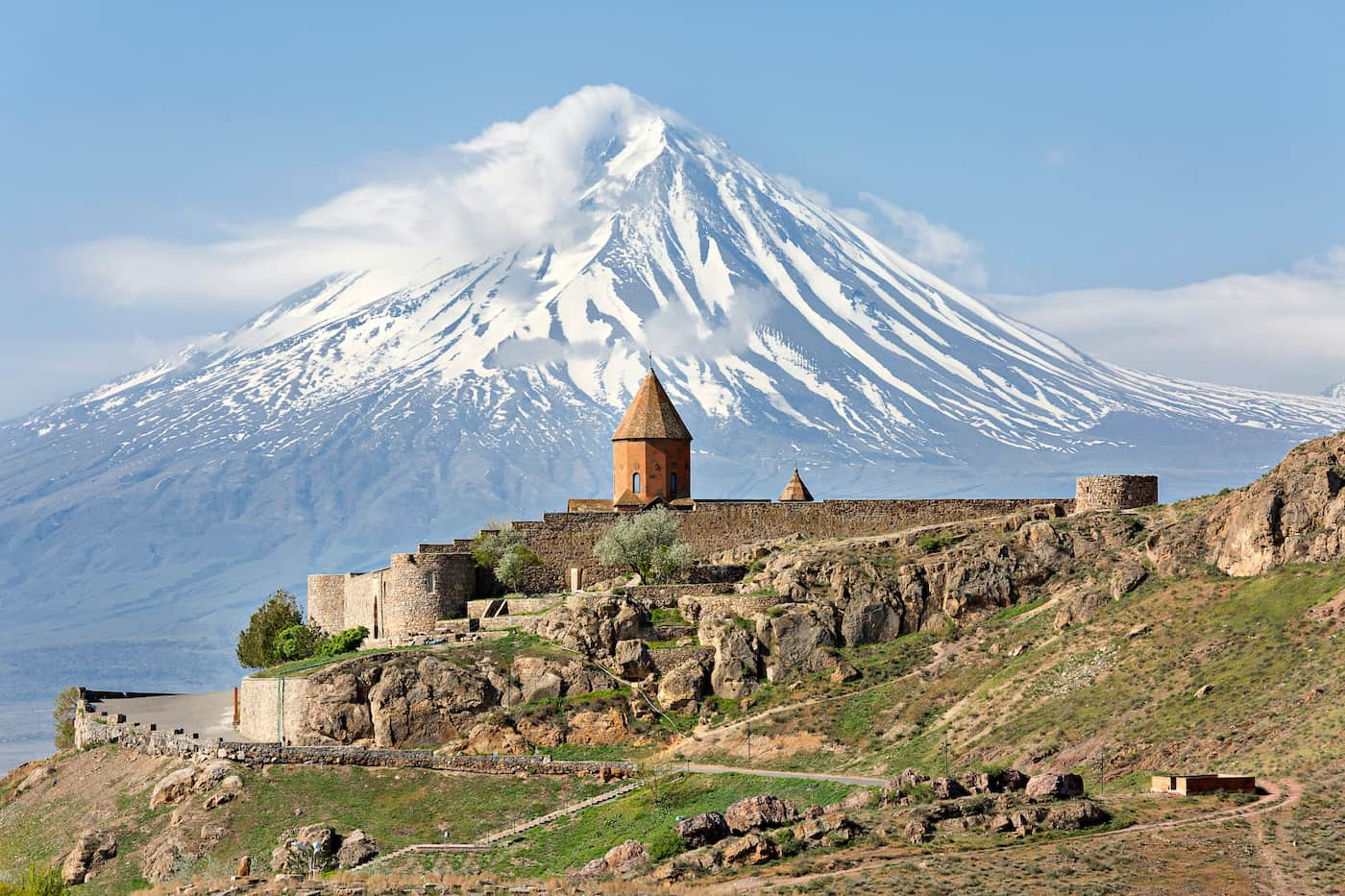
Learning Armenian opens the door to a very old culture, a unique alphabet and a language spoken in Armenia and across the diaspora. It belongs to the Indo-European family, but it looks and sounds very different from English or Russian, which makes it both challenging and very satisfying to learn.
Modern Armenian comes in two main standards: Eastern Armenian (spoken in Armenia and some communities) and Western Armenian (spoken mainly in the diaspora). There are also many regional dialects. Choosing one variety and sticking with it will help you move faster, but everything you learn will still bring you closer to Armenian culture as a whole.
1. Start With The Armenian Alphabet
Armenian has its own script, created in the 5th century by Mesrop Mashtots. The alphabet originally had 36 letters; today Eastern Armenian uses 39 letters and Western Armenian slightly fewer. It is mostly phonetic, so once you know the letters, reading aloud becomes much easier than it first appears.
Instead of relying on Latin transliteration, make the alphabet your first serious goal. Handwriting each letter forces your brain to connect the shape, sound and name of the letter.
Tip:
Create a simple routine: each day write one line of a few letters, say them out loud and read simple syllables you build with them. Alphabet apps and printable charts can support you, but pen and paper are still the best memory tools here.
2. Train Your Ear And Pronunciation
Armenian has sounds that do not exist in many other languages. There are several “B/P”-type consonants (Բ, Պ, Փ) that differ by how strongly you release air, plus distinctive letters like Ղ and Խ that feel closer to French R or the harsh H in some Spanish words.
At first, these sounds may feel impossible. Over time, they become little “anchors” that remind you you are really speaking Armenian and not just English with different words.
Tip:
Spend focused time just listening and repeating. Use slow YouTube videos, podcasts, language apps or pronunciation drills. Record yourself and compare to native speakers. Do not rush to perfect sentences; first make sure single sounds and short words feel comfortable in your mouth.
3. Build A Core Of Everyday Phrases
Before you dive into long grammar explanations, give yourself a small toolkit of useful expressions. These phrases will keep you motivated because you can already say something in Armenian, even if your level is basic.
Good starter phrases include:
- Barev (Բարև) / Barev dzez (Բարև Ձեզ) – “Hi” / formal “Hello”
- Inchpes es? (Ինչպե՞ս ես) / Vonts es? (Ո՞նց ես) – “How are you?”
- Ayo (Այո) / Ha (Հա) – “Yes”
- Voch (Ոչ) / Che (Չէ) – “No”
- Yes (Ես) – “I”
- Lav (Լավ) – “Good”
- Siroom em qez (Սիրում եմ քեզ) – “I love you”
Tip:
Put these phrases on sticky notes around your home or in a small notebook you always carry. Say them to yourself during the day, even if you are just talking to the mirror. The goal is to make them automatic.
4. Use Modern Resources: Apps, Books And Courses
You do not have to study Armenian alone with one old textbook. There is a growing ecosystem of digital and offline resources especially for Armenian language learners.
Language learning apps
Several platforms now offer Eastern Armenian and sometimes Western Armenian courses. Popular names include:
- Tumanyan.online
- Tun app
- Ling app
- Ayolingo
- Preply for one-to-one lessons
- Free online courses from Birthright Armenia
- Armenian Virtual College for structured Armenian studies
Each of these apps has different strengths: some focus on vocabulary and repetition, others on dialogues or grammar.
Tip:
Combine two or three tools instead of using just one. For example, use an app for vocabulary, a separate platform for live lessons and a YouTube channel for listening practice.
Books and printed materials
Printed materials are still very useful, especially for alphabet and grammar practice.
- English speakers can look for Armenian learning books via LearnArmenian.org, Armenian book sections on large online bookstores or Armenian diaspora publishers.
- Russian speakers will find Armenian language textbooks on platforms like Ozon or Litres.
Tip:
Choose one main textbook and actually work through it chapter by chapter, instead of collecting many books that you only skim.
Armenian language schools and courses
If you are in Yerevan or planning an extended stay, local language schools can give you structure and direct feedback:
- Berlitz Armenia
- Horizon of Expectation Language Center
- ICLT (International Center of Languages and Training)
- AUA Extension at the American University of Armenia
Most of these schools offer group and individual Armenian classes. Some can adjust the program to your level and goals, from survival Armenian to intensive courses.
Tip:
Ask for a trial lesson. A good fit with the teacher and teaching style matters more than the school's “fame.”
5. Take Grammar In Small, Logical Steps
Armenian grammar looks intimidating at first glance. There are seven cases, rich verb systems and differences between Eastern and Western Armenian. The key is to break things into small parts.
A simple order might be:
- Learn personal pronouns and the verb “to be” in the present tense.
- Practice basic present tense conjugations with common verbs.
- Focus on the nominative and accusative cases first, then slowly add others.
- Notice root words. Armenian builds many words from the same root, so recognizing roots will help you guess meanings.
Tip:
Create your own mini example sentences rather than only repeating those in the book. Even if they are simple or silly, they will stick better in your memory because you invented them.
6. Read And Practice With Bilingual Materials
Reading is one of the fastest ways to grow your vocabulary and feel how sentences are built. Bilingual materials, where Armenian text appears side by side with English or Russian, are especially helpful at the beginner and lower-intermediate stages.
You can use:
- Children’s books with simple stories and pictures
- Short dialogues printed in two languages
- News summaries written in very easy Armenian
- Song lyrics with translations
Tip:
First read a short text silently, then read it aloud. Underline unknown words, check them and read again the next day. Repeated reading is much more effective than always jumping to a brand new text.
7. Learn With Other People
Self-study is great, but other people will push you in ways an app cannot.
Options include:
- Online language exchange partners who speak Armenian and want to practice your language
- Group classes in local centers or community schools
- Informal meetups with Armenian speakers in your city
- Tutors on platforms like iTalki or similar services
Native speakers can correct your pronunciation, show you real slang and help you understand how people actually talk outside textbooks. Many members of the Armenian diaspora are happy to share their language with learners.
Tip:
Do not be shy about your level. Tell your partner or teacher clearly what you want: relaxed conversation, strict corrections or focused grammar help. This keeps both of you comfortable and motivated.
8. Immerse Yourself In Armenian Culture, Art And Food
Language is never just vocabulary lists. Armenian opens the door to a whole world of literature, music, cinema and food. The more you enjoy that world, the easier it becomes to keep studying.
You can:
- Explore famous works like the epic “David of Sasun” or texts by Grigor Narekatsi in translation first, then slowly in Armenian.
- Listen to music by Komitas and other Armenian composers to hear traditional melodies and lyrics.
- Watch classic and modern Armenian films, such as those by Sergei Parajanov, plus popular series on Armenian Public TV, Shant TV or Armenia TV.
- Follow Armenian YouTube channels and social media accounts to hear casual, everyday speech.
- Learn cooking words by following Armenian recipes and cooking videos; food is a big part of Armenian identity.
Tip:
Choose one or two “cultural projects” such as watching one Armenian movie per week or learning the words to one song per month. Treat culture as a fun reward for your study time.
9. Stay Consistent And Set Clear Goals
Like any language, Armenian rewards consistency more than intensity. Ten focused minutes every day will beat a single three-hour session once a month.
Good practical goals might be:
- Learn five new words each day and review them weekly.
- Master the entire alphabet in one month.
- Have a simple five-minute conversation with a native speaker after three months.
- Watch a short Armenian video with subtitles and understand the main idea.
Track your progress in a notebook or an app. When you feel stuck, look back at where you started: at first even the letters looked strange, and now you can read and say real words. That is real progress.
Final Thoughts
Learning Armenian takes patience, curiosity and a bit of stubbornness, but it pays off in many ways. You gain access to a rich cultural heritage, you can talk to Armenian speakers in their own language and you see Armenia through completely different eyes.
If you focus on the alphabet, practice sounds carefully, build useful phrases, use modern learning tools and surround yourself with Armenian media and people, your progress will be steady. Take it step by step, enjoy the process and remember that every new word you learn is another small bridge to Armenian culture.
Помощь с оформлением карты MasterCard
- Пакет из двух карт сроком на 5 лет
- 4 валюты: USD, EUR, RUB, AMD (армянский драм)
- Комиссия на снятие наличных 1-3%
- Перевод на карту иностранного банка
Стоимость: 300$
Оформить карту


Скачайте руководство с подробными шагами по получению ВНЖ, всё просто
Получить руководство